

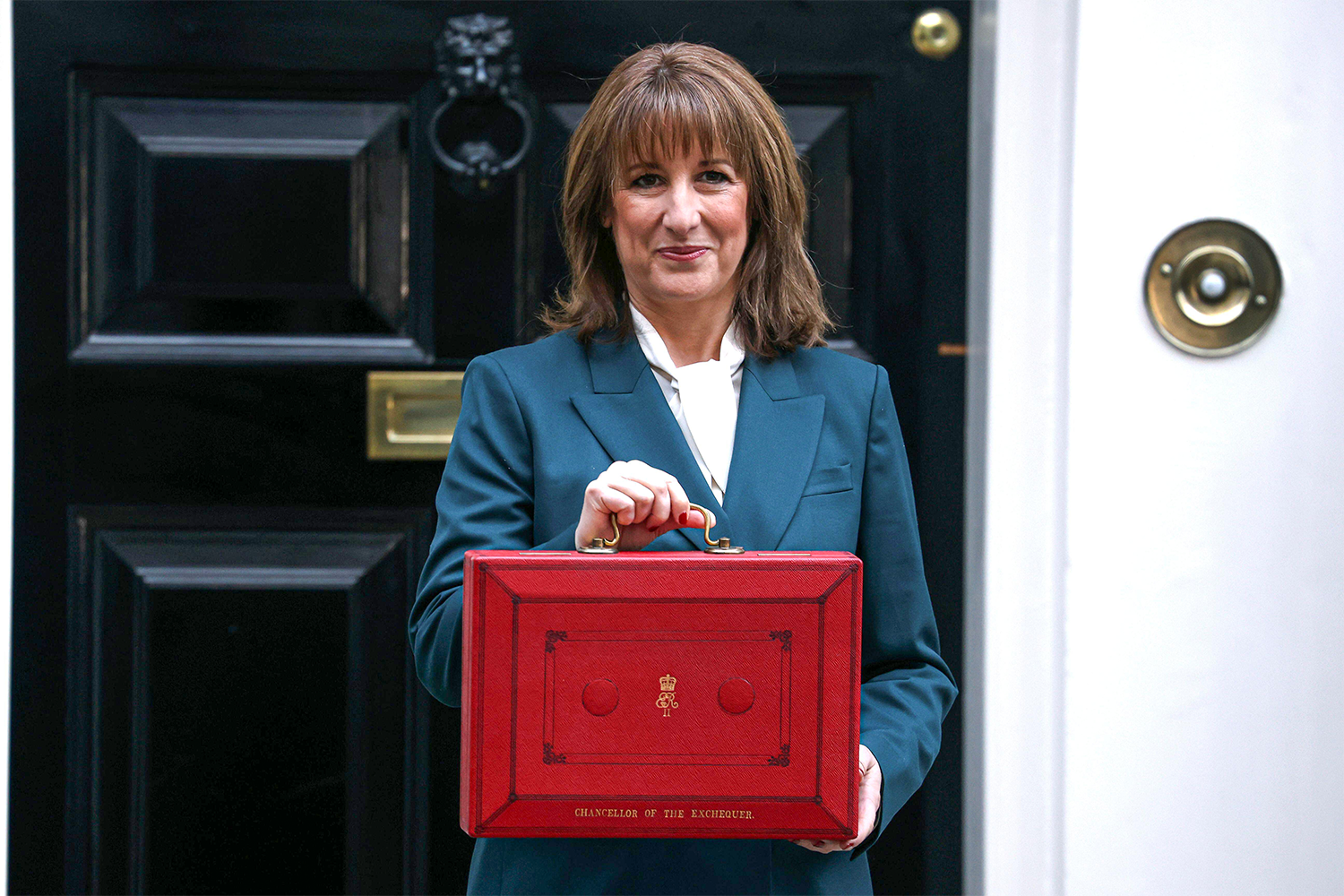
UK Budget 2025: What It Actually Means for Airbnb and Short-Term Rental Investors
No, they haven't banned Airbnb. But if you're a landlord or property investor in short-term rentals, the game is shifting. Here's what actually matters - and what to do about it.

Don
5-Star Superhost & Property Investment Expert
Budget Day Again. No, They Haven't Banned Airbnb.
But if you're a landlord or property investor in short-term rentals / serviced accommodation, the game is shifting.
Here's a straight-talking breakdown of what actually matters for us - and what I'd be doing if I were running SA in your area (oh wait, I am).
TL;DR - Big Picture for SA & Short-Term Lets
From this Budget, three big levers hit our world:
- Higher tax on property income from 2027 - a targeted squeeze on landlords' profits.
- Local "visitor levies" (tourist taxes) on overnight accommodation - mayors get the power to charge per-night or per-stay levies on guests.
- Planning & housing reforms + big regeneration corridors - more homes and more construction hotspots = more medium-term demand, but more competition too.
Plus some important "background" changes around council tax on high-value homes, compliance, labour costs and broadband which will separate the hobbyists from the operators.
Let's unpack it properly.
1. Property Income Gets Its Own Higher Tax Rates (from April 2027)
What's Changing
From April 2027, property income in the UK gets its own tax bands, higher than standard income tax:
- Property basic rate: 22% (vs 20% main rate)
- Property higher rate: 42% (vs 40%)
- Property additional rate: 47% (vs 45%)
On top of that, the order in which allowances and reliefs are used is changing, so property/savings/dividends are no longer the first in line to benefit. In plain English: it'll be harder to soften the blow on your property income using the usual tricks (pensions etc).
For most SA operators running "normal" furnished rentals (not full-on trading companies), your Airbnb/Booking.com income is treated as property income - so this hits you directly.
What This Means in Real Life
- Higher personal tax on SA profits - especially if you're already in higher/additional rate territory.
- Portfolio-only landlords who hold everything in their own name get squeezed hardest.
- Company structures become more attractive for growth portfolios, but only if you're actually running this like a business, not just panic-incorporating and praying.
What I'd Be Doing
- Stress-test your numbers at the new rates now - don't wait until 2027.
- If you're still in "accidental landlord mode", decide: either go small and simple (one or two units, side-income, low hassle), or go properly pro (scale via a company / management business and build margin through systems).
- Talk to a switched-on accountant about whether incorporation or mixed structure makes sense for you, and how to line up refurb, finance and pension planning before 2027.
If you're still buying SA deals based on today's tax rules and hoping future governments will forget about landlords... that's a dangerous strategy.
2. Visitor Levy: A Local "Tourist Tax" on Overnight Stays
This one is directly about us.
What's Changing
Government is giving mayors and potentially other local leaders the option to introduce a visitor levy on overnight accommodation in their area - on hotels, short-term lets, serviced apartments, etc. The design is going to consultation, but the principle is baked in.
The money is meant to fund local growth and the visitor economy.
We don't know the exact format yet - could be:
- a percentage of the room rate,
- a flat £ per person per night,
- or a per-stay charge.
What This Means for SA
- Expect this to roll out first in big city regions & tourist hotspots with mayors and strong visitor numbers.
- For SA operators, the levy will likely be collected via you (or platforms) and passed to the council.
- You can pass it on to guests - but it still affects price sensitivity and your positioning compared to hotels.
What I'd Be Doing
- Map where you operate vs the named Mayoral Strategic Authorities: Greater Manchester, West Midlands, Liverpool City Region, West Yorkshire, North East, South Yorkshire, Greater London.
- Build the levy into your deal analysis now. For new acquisitions, stress-test a 2-5% gross "tourist tax" on turnover, or £1-£3 per guest per night, and see if the deal still works.
- Make sure your pricing systems (dynamic pricing, channel manager, direct booking engine) can handle an extra line item cleanly when it comes.
- Strategically, this nudges you toward longer stays, corporate projects and relocations, where a modest levy is less of a deal-breaker vs cheap weekenders.
3. High Value Council Tax Surcharge (from April 2028)
What's Changing
From April 2028, England gets a High Value Council Tax Surcharge on residential properties worth over £2 million, paid by the property owner (not the occupier). The surcharge will be £2,500-£7,500 per year, depending on property value.
Who Actually Cares?
- If your SA is a Bedford terrace... this is not your fight.
- If you're running prime central London apartments, big coastal mansions, or trophy homes as luxury serviced accommodation - this is now a line item you can't ignore.
Implications
- An extra £200-£600/month on the cost base of high-end SA properties.
- Piles onto existing council tax, utilities, licensing costs and any future visitor levy.
- Could push some prime assets back towards long-term lets, sales or different exit strategies if yields don't stack.
What I'd Be Doing
- If you're in or eyeing the £2m+ bracket, update your cashflow and yield models to include this surcharge.
- Either position the property even more strongly as a premium, high-ADR product (corporate retreats, film crew, events-friendly stays where allowed), or treat it as a signal to focus your capital on more boring, high-yield workhorses in non-prime markets.
4. Planning, New Homes & Where the Next Demand Waves Will Be
The Budget doubles down on a planning and housing agenda that matters a lot if you play the medium-term SA game rather than chasing this season's tourist hotspot.
Key Moves:
- A commitment to deliver 1.5 million homes in England this Parliament, backed by big social/affordable housing programmes and the new National Housing Bank.
- New towns: Tempsford, Leeds South Bank, Crews Hill / Chase Park have been flagged as promising sites - each with at least 10,000 homes planned.
- Planning reforms, including default "yes" to development around train stations, more planners funded, and a flagship Planning & Infrastructure Bill to speed up approvals.
- Acceleration of Defence land release - up to 100,000 homes on surplus MOD land over the next decade.
Why This Matters for SA
Where the government creates big construction, new infrastructure, and new towns, it creates:
- multi-year demand from construction workers, project managers, consultants,
- spin-off demand from relocating families and professionals,
- and eventually a bigger local population that still needs temporary accommodation for moves, refurbs, hospital visits, etc.
What I'd Be Doing
- Overlay this Budget with a map and ask: "Where are the cranes going?" and "Where are the new towns, station-area developments and growth corridors that I can serve?"
- For each area you manage or invest in, decide: Are you in a growth corridor (e.g. Oxford-Cambridge, Northern Growth Corridor, big city-regions), or in an area likely to be out-competed over the next decade?
- Focus SA acquisitions on places with long-term infrastructure and housing investment, strong transport links, and councils actively trying to grow, not shrink, their visitor and business base.
5. Devolution, Growth Funds & The Rise of the Mayor
The Budget keeps putting serious money and power into mayors and city regions:
- Integrated settlements and at least £13 billion for seven Mayoral Strategic Authorities to control transport, housing and growth.
- A £902m Local Growth Fund and £500m Mayoral Revolving Growth Fund for Northern and Midlands city regions to invest in regeneration and development.
- Business rates retention zones like the Leeds City Fund, letting local authorities keep 100% of extra business rates growth to plough back into the area.
What This Means for SA
- Local leaders will have more tools to shape their economies - including visitor levies and local growth funds.
- Some councils will use this to pump-prime city centres and welcome higher-quality visitor accommodation.
- Others may use the same powers to clamp down on what they see as nuisance short-term lets.
The common theme: the centre of gravity has shifted locally. If you ignore local politics and strategy, you're playing the wrong game.
What I'd Be Doing
- Read your mayor / combined authority's growth plan like a property investor reads Rightmove.
- Align SA stock with regeneration zones and priority sectors (hospitals, universities, film studios, logistics hubs).
- Get ahead of them: be the operator saying, "We're professional, fully compliant, and here to support your growth agenda - not add party flats."
6. Compliance, Staffing and the "Hidden Economy" Crackdown
A few less sexy lines in the Budget matter for how you run your team:
- Creation of a hidden economy team in the new Fair Work Agency from April 2026, targeting sectors with dodgy employment/tax practices.
- Stronger National Minimum Wage enforcement, more direct follow-up with employers, and possible new powers to target individuals in leadership roles.
- A move towards more timely payment of Self Assessment liabilities via PAYE for people who are both employed and have other income (like rental profits) - from April 2029.
- Enhanced tax transparency on real estate investments, with a new global standard to automatically exchange information from 2029/30.
What This Means on the Ground
- Cash-in-hand, under-the-radar arrangements with cleaners and handymen become riskier and more expensive if you're caught.
- If you're an employee and a landlord, expect more of your tax to be deducted in-year, which affects cashflow.
- Offshore and opaque structures holding UK property are going to be more visible to tax authorities internationally.
What I'd Be Doing
- Make sure your cleaners, guardians and contractors are engaged in a way that you'd be happy to explain to an inspector over coffee.
- Tighten up contracts, invoices and payroll, even if it hits margin short-term - it's cheaper than being on the wrong end of enforcement.
- If you've got anything creative offshore, speak to someone who actually understands the new transparency regime before it's a problem, not after.
7. Useful "Extras": Broadband, Brownfield and Hospitality Planning
A few smaller points that still benefit savvy operators:
- Gigabit broadband right for leaseholders - government will consult on giving leaseholders a right to request a gigabit connection, and forcing freeholders not to unreasonably refuse. For SA, that's ammunition when you need your freeholder to stop dragging their feet on decent Wi-Fi.
- The government dropped its plan to converge Landfill Tax rates and is instead keeping the gap while preventing it widening further, plus maintaining exemptions to keep housebuilding costs down. Good news if you're into refurbs or brownfield developments - less risk of nasty landfill tax surprises.
- A new Land Remediation Grant and other support to unlock brownfield regeneration.
- For retail, hospitality and leisure, government will explore further planning reforms to make it easier for hospitality and high street businesses to expand and grow. If you're looking at apart-hotel models, mixed-use buildings or conversions, planning may slowly get less painful.
So... Is This Good or Bad for SA Investors?
Depends who you are.
If your "strategy" is max leverage, minimum systems, random Airbnb in a touristy area, hope for the best - this Budget makes life harder:
- more tax on your profit,
- potential visitor levies,
- more scrutiny on how you pay people.
If you're building a lean, professional, compliance-first SA business that:
- targets longer stays, project-based workers and relocating families,
- is plugged into local growth plans,
- and models deals with room for tax & regulation creep...
...then this Budget mostly reinforces your edge.
What To Do Next
If you:
- already own short-term lets and want a sanity check on whether they still work under these new rules, or
- are sitting on a BTL / empty property and wondering if SA is still the smartest play in your town,
it's worth running the numbers with the post-Budget rules, not last year's fantasy.
And if you want a second pair of eyes from someone who actually lives this stuff on the ground - sourcing, setting up and running SA for hands-free landlords - you know where to find me.
Book a free strategy call and let's see if your property still stacks up in the new world.
Take Action
Ready to move forward? Here's what to do next.
Ready to Maximise Your Property Returns?
Let's discuss your property goals and see if we're the right fit to help you succeed.
Frequently Asked Questions
Common questions about this topic